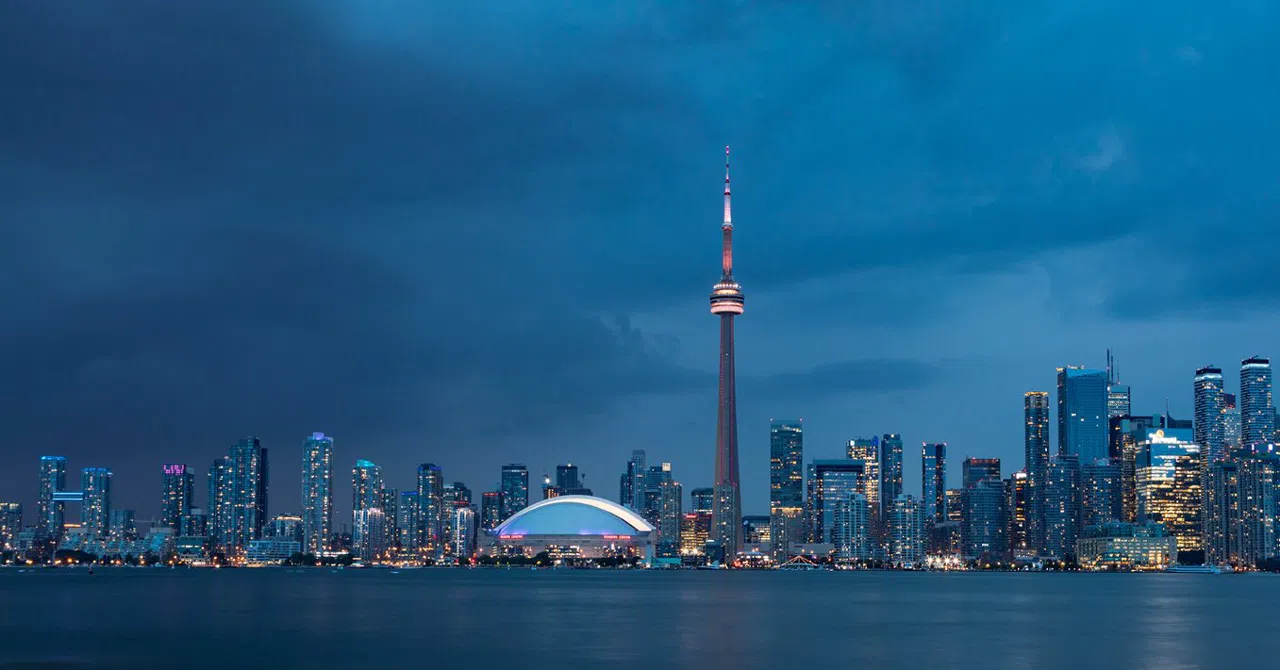

The CN Tower does not sneak up on you. You see it from the expressway, from the lake, from the end of half the streets downtown, and then you are standing at its base on Bremner Boulevard with a timed ticket on your phone and an airport-style bag screening between you and the lifts. The whole visit runs about two hours, and most of what makes those two hours good or frustrating is decided before you arrive.
What the ride up gets you
The CN Tower (South Core, at the foot of Bremner Boulevard, between the rail corridor and the lake) is an observation tower with three separate places to stand and one restaurant. Everybody enters at the base, everybody passes the same bag screening, and everybody rides the same lifts. At the top you get the Main Observation Level with its windows and its glass floor, the Lower Level below it, and, if you have paid for it, The Top, the higher deck reached by a second lift and still widely called the SkyPod.
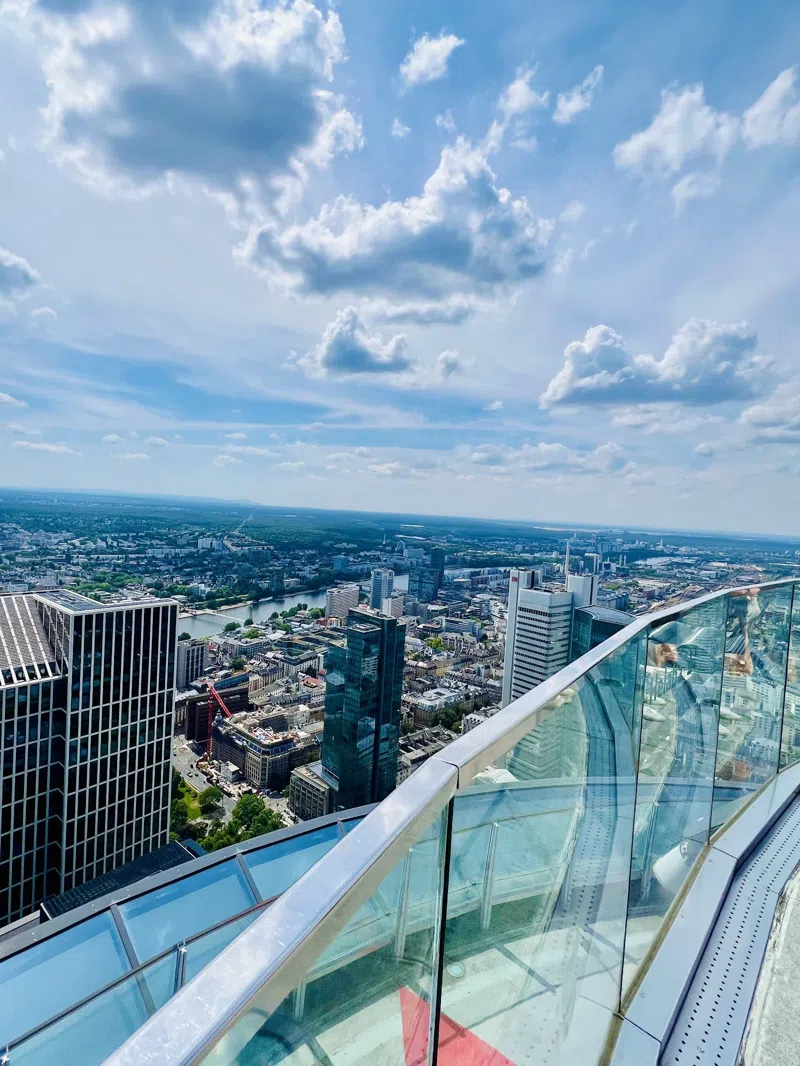
What you see is a city laid out as a diagram. The rail lands and the stadium roof sit directly beneath you, the financial towers stack up to the northeast, the lake fills the whole southern half of the view, and the islands lie offshore as a green smudge with a ferry crossing between them. On a clear day the far shore of the lake is a line rather than a place. It reads as a geography lesson more than a spectacle, and it is useful on a first day in Toronto, because afterwards you know where everything is.
Check the hours for the day you go. The Main Observation Level occasionally closes early for private events (30 September and 8 and 20 October 2026 all carry adjusted hours) while the Lower Level, The Top and the restaurant stay open. If your slot is late in the evening, look up your own date rather than the general opening times.
How long it takes and the order to do it in
Allow two hours from the door to the door. Screening and the lift queue take the first twenty minutes or so at a busy slot. Once you are up, do the Main Observation Level windows first, then the glass floor and the outdoor terrace on the Lower Level. The outdoor air is the part people remember, and it is also the part that gets crowded last. If you hold a ticket for The Top, ride up from the Main Level rather than trying to do it first; the second lift runs a queue of its own and it moves faster once the initial wave of your slot has dispersed.
If you are in a group, split up at the top and agree a meeting point and a time. The decks run as a loop rather than a route, and a party of eight trying to move as a unit past the glass floor is how people end up spending ninety minutes on a twenty-minute deck.
Which ticket tier is worth paying for
At the door, timed general admission is CA$47 for an adult. Adding The Top takes it to CA$59. A Flex ticket, which loosens the time you have to turn up, is CA$62. Premier, which is front-of-line, is CA$99. A guided VIP visit is CA$199. All are before tax.
For most people the CA$47 ticket is the right one, bought for a specific slot a day or two ahead. The CA$12 upgrade to The Top is worth it if the sky is clear and you care about height for its own sake; in low cloud you are paying to stand inside weather. Premier makes sense on a summer Saturday afternoon, or when you have a hard deadline afterwards (a dinner, a ballgame, a train), and not otherwise. The CA$199 guided track suits parties who want someone else to handle the logistics and the narration; the Tower absorbs groups well, because timed slots are how the whole building works.
There is also a guided-tour route into the Tower that bundles it with other stops around the city. Those operate seven days a week and start from around 137 USD per person, and the reviews on the best-regarded one are landing at roughly one a day, so it is being booked steadily rather than sitting idle. That is a different product from a tower ticket: you are paying for transport, a guide and a fixed itinerary. If the Tower is the only thing you want, buy the timed ticket and walk.
Walking outside the building on EdgeWalk
EdgeWalk at the CN Tower (same base entrance, South Core) is the one thing here that is not a version of something you can do elsewhere in the city. You are harnessed to an overhead rail and you walk the outside ledge of the main pod in a batch of about six people with a guide. The small group is how the walk is run, not a paid upgrade.
It starts at CA$199 plus tax, and that includes the video, the photographs, a certificate and two days of re-entry to the Tower, so if you were going up anyway, the effective cost of the walk is lower than the sticker. Adapted equipment is available on request by phone, which is worth a call rather than a form if access matters to you.
The constraint is the calendar. EdgeWalk runs from late April to October only, weather permitting, and peak-summer weekend slots go days to weeks ahead. If this is the reason you are coming, book it first and build the rest of the day around the slot you get.
Dinner that includes the elevator
360 The Restaurant at the CN Tower (Main Level, South Core) is a revolving dining room one floor below the observation deck, and it is the least obvious value on the site. There is no ticket price; there is a minimum food spend of CA$75 per adult and CA$40 for ages four to twelve, and that minimum covers the lift ride and access to the Main Observation Level. A three-course menu drawing on Indigenous ingredients runs around CA$90.
In ticket terms: two adults who were going to pay CA$47 each and then eat somewhere are, for CA$75 a head, eating at height with the deck included. It lands between the Flex and Premier tiers in cost and gets you a seated window instead of a shoulder at the glass. Reservations open two months out, and the dress code is smart casual upward: no shorts, no flip-flops, which catches out a lot of summer visitors who have spent the day walking the waterfront.
It takes celebration parties and group bookings. It is also a slow meal in a rotating room, which suits couples and suits four adults, and suits a restless seven-year-old less well.
The best time of day and week to go up
First slot of the day is the quietest deck and the cleanest light on the lake. Late afternoon into sunset is the most oversubscribed window of the entire operation, and it is also the one people most want; if you are going then, book a specific slot several days ahead or pay for front-of-line and stop thinking about it.
Midweek beats weekend by a wide margin, and any weekday in the shoulder months either side of summer beats a July Saturday at any hour. The other variable is cloud: the deck sits high enough that a low ceiling turns the view into grey, and no ticket tier fixes that. Look at the base of the Tower before you commit. If you cannot see the pod from Bremner Boulevard, you will not see the city from inside it, and the indoor alternatives below are a better use of the afternoon.
An early-evening slot leaves you walking down to the water for dinner afterwards, with good light, a thinning deck and the waterfront already ahead of you.
The ten minutes around the base
Everything below is within a two-minute walk of where you come out.
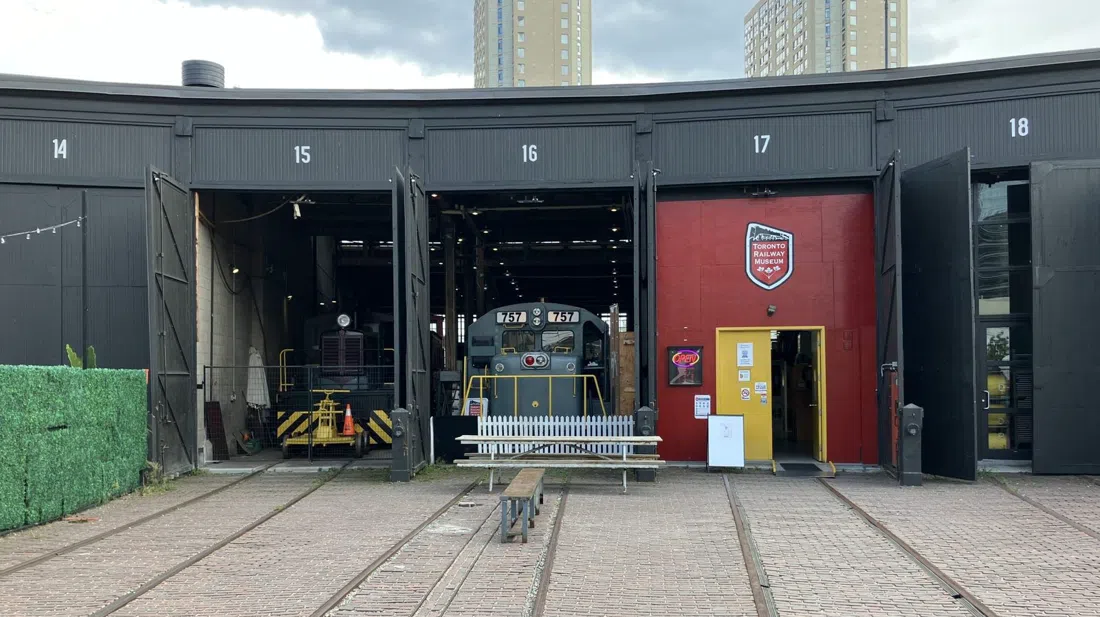
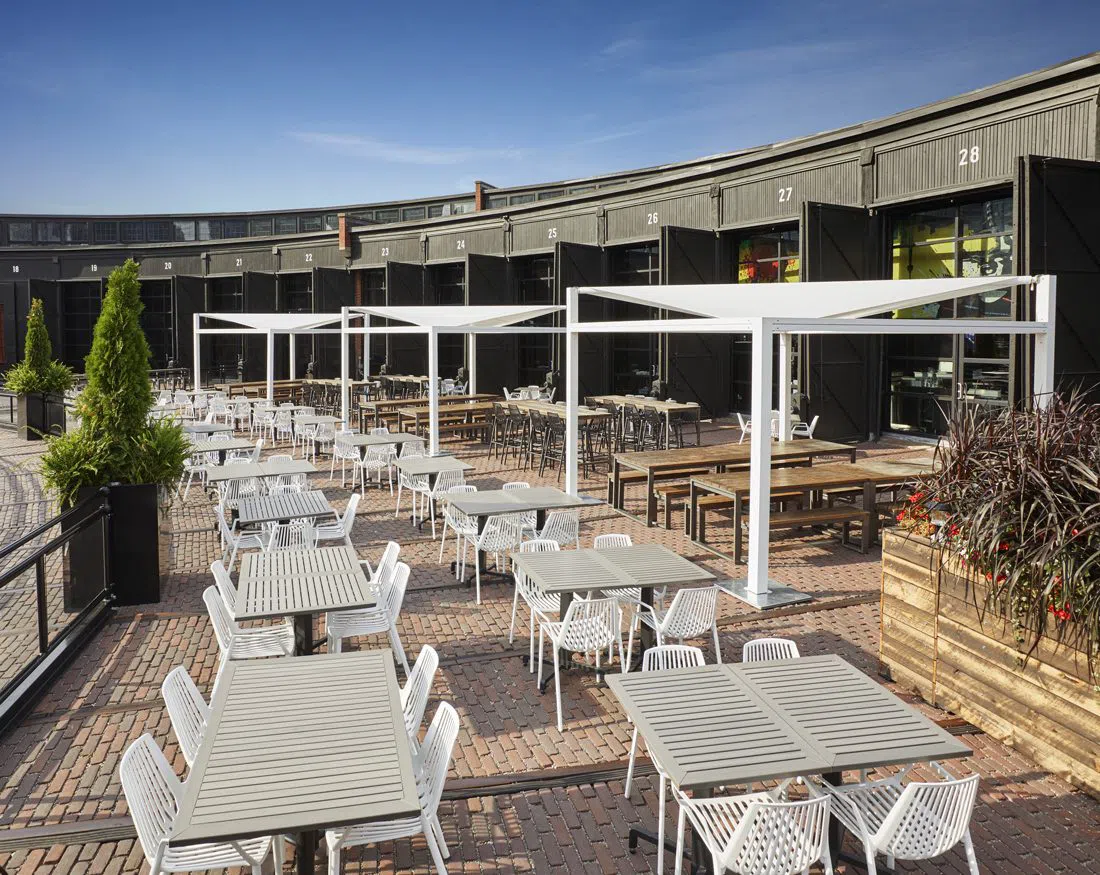
Roundhouse Park and the Toronto Railway Museum (Railway Lands, immediately east of the Tower base) is the reason the Tower stands here at all. This was the rail yard, and the museum explains the geography your ticket just showed you from above. Entry is by donation, the park is free, and miniature railway rides cost a few dollars. Hours are seasonal: daily 12:00 to 17:30 in summer, Wednesday to Sunday 12:00 to 17:00 in winter. It is volunteer-run, so email ahead for anything over a dozen people. It is also the best free foreground in the city for a photograph of the Tower, because the locomotives give the shot a bottom edge.
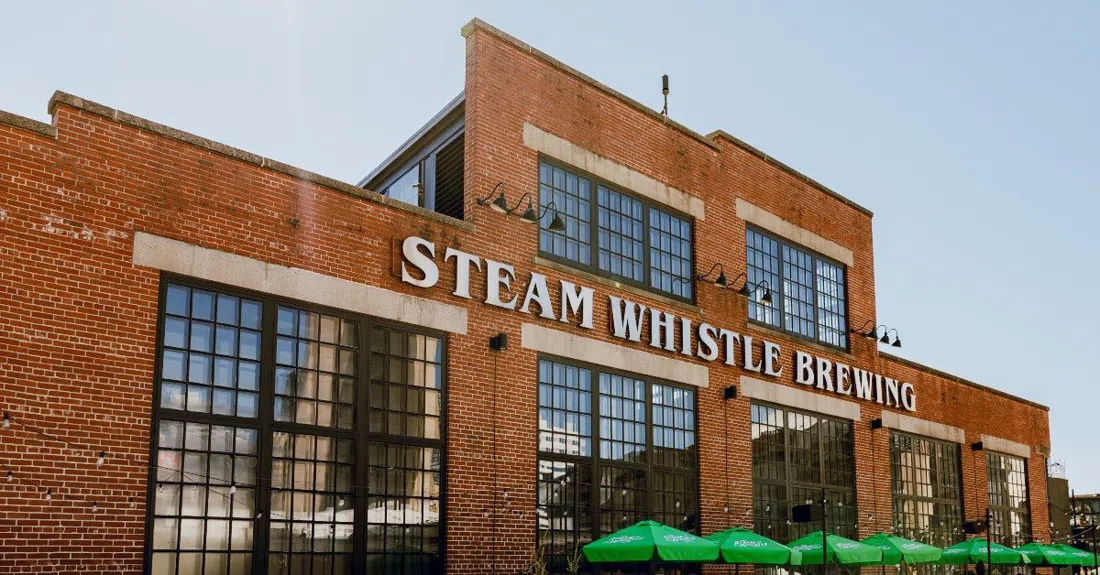
Steam Whistle Brewing (in the same roundhouse building, 200 metres from the Tower base) runs 30-minute guided tours sold by the group slot, around CA$15 to 20 with a tasting, and pints at roughly CA$8 to 10. The tour doubles as the history of the building. The Rec Room Toronto Roundhouse (Roundhouse, 100 metres away) is the wet-weather and after-dark backstop: games hall and restaurant, mains CA$20 to 30, credits on a rechargeable card, and a 19+ policy in the bar areas later in the evening. It is a chain rather than a Toronto original, and it earns its place only because it handles mixed-age groups where not everybody wants a second attraction.
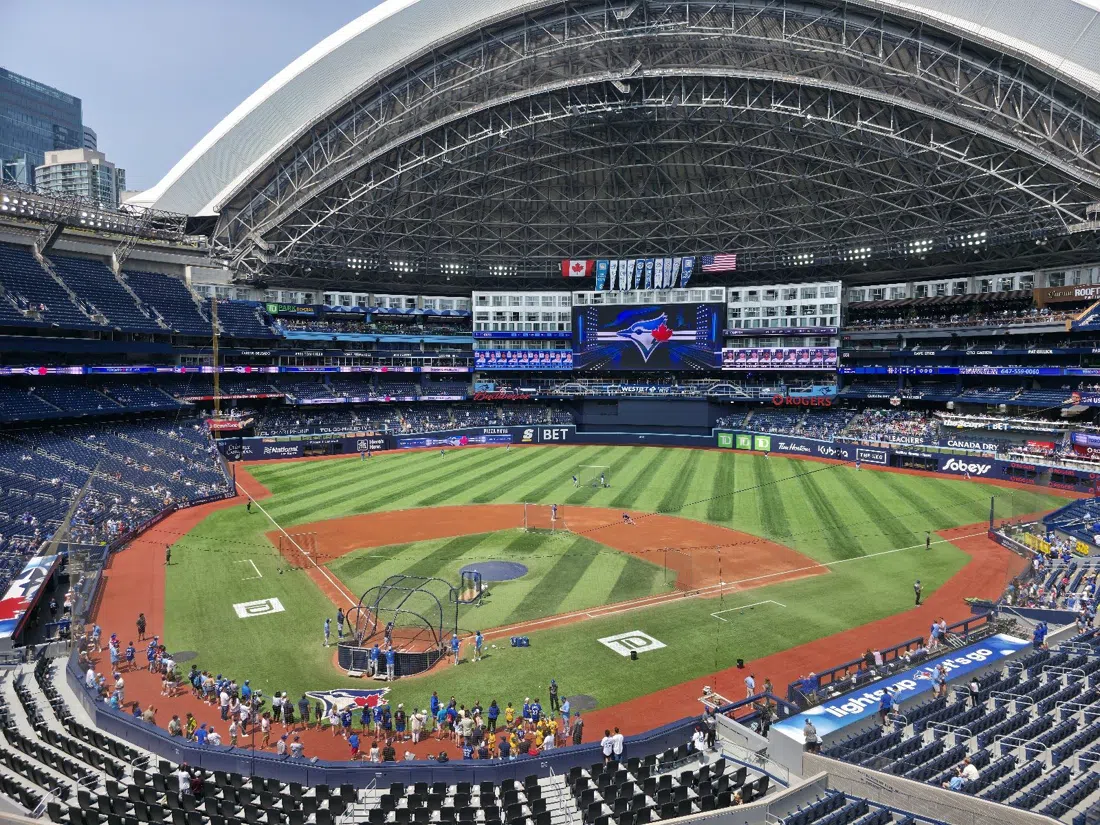
Rogers Centre (Blue Jays Way, physically joined to the Tower plaza) runs small-group behind-the-scenes tours for about CA$25 to 35, now including the rebuilt premium clubs and the 1992 and 1993 World Series trophies; game tickets start around CA$20. Tour schedules are released monthly, and a day with nothing listed is either sold out or not running, so check before you plan around it.
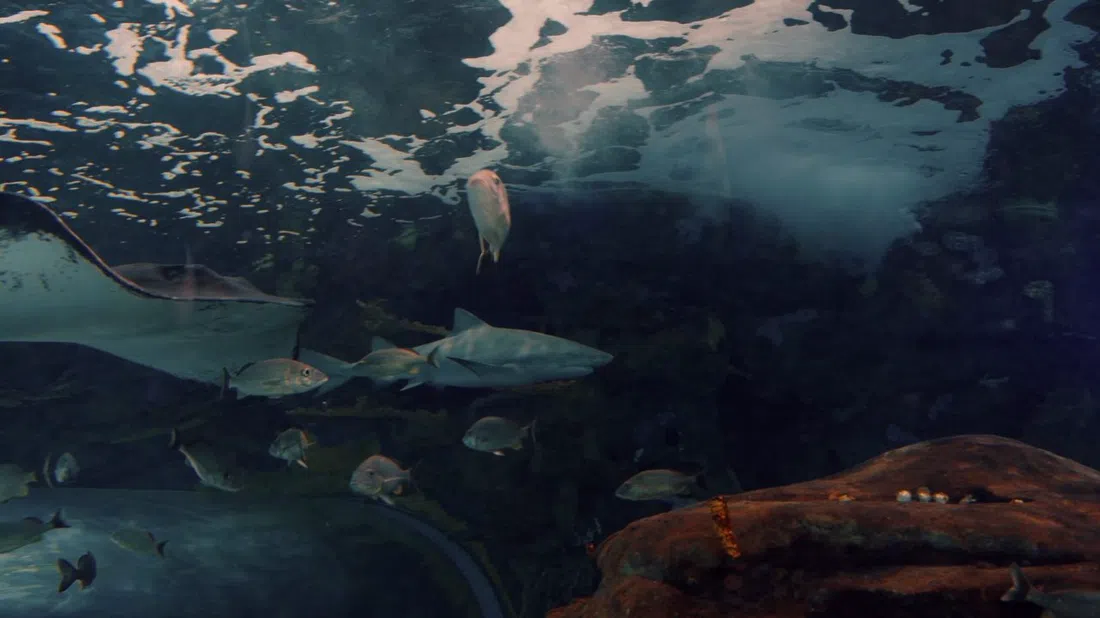
Ripley's Aquarium of Canada (288 Bremner Boulevard, next door) is CA$45 or so at the door, or CA$79 on the Tower's combined 'Sea the Sky' ticket, which is the cheapest legitimate way to do both. It stays open until 9pm, which makes it the obvious partner to a late Tower slot rather than a competitor for the same hour.
Looking at the Tower instead of from it
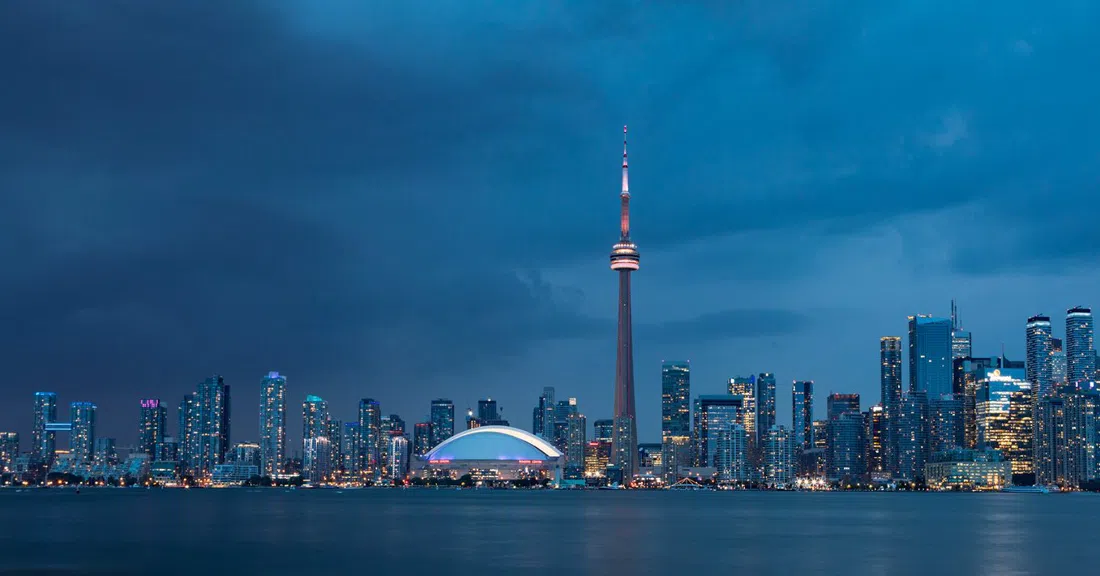
You cannot photograph the skyline from inside the thing that makes it a skyline. For that, walk fifteen minutes east along the water to the Toronto Island Ferry at the Jack Layton Ferry Terminal (foot of Bay Street, Harbourfront) and cross. Adult return is CA$9.57, students and seniors CA$6.15, under-14s CA$4.51, under-2s free. Ferries run year-round; all three island routes operate from mid-April to mid-October. There is no booking. The constraint is terminal capacity, and summer weekend queues at the dock are the real bottleneck, so go early or go midweek.
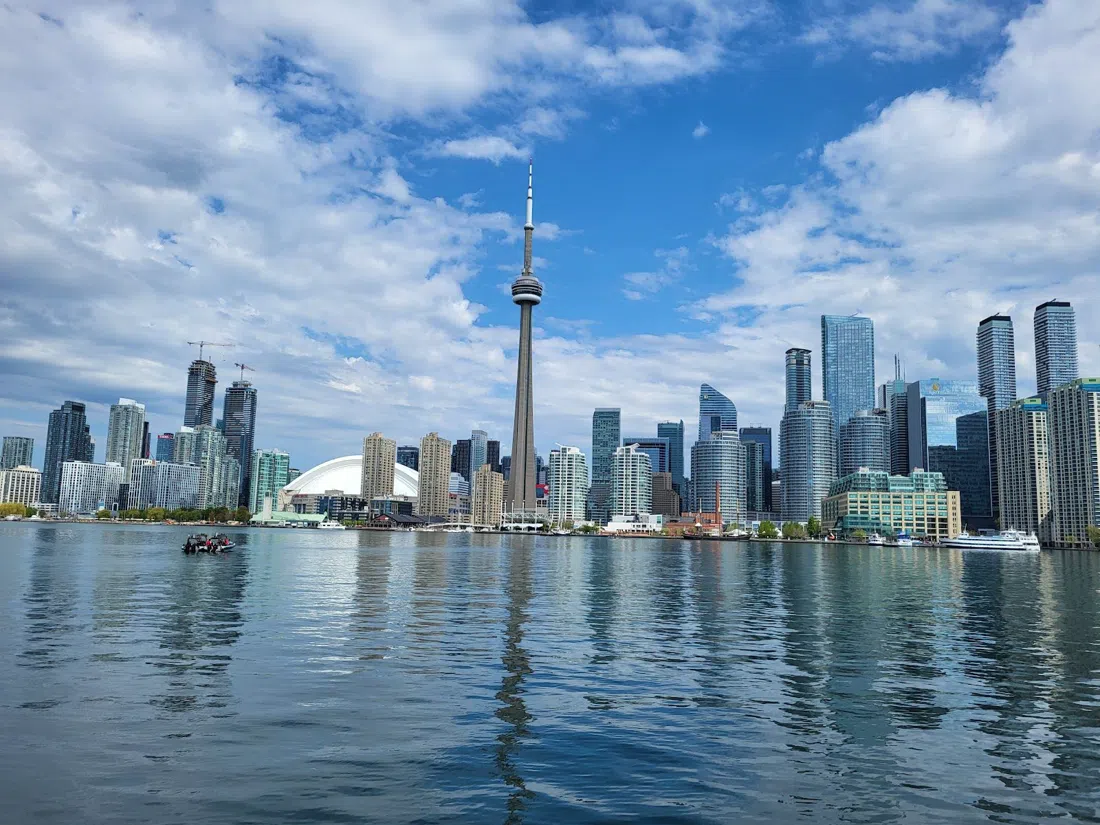
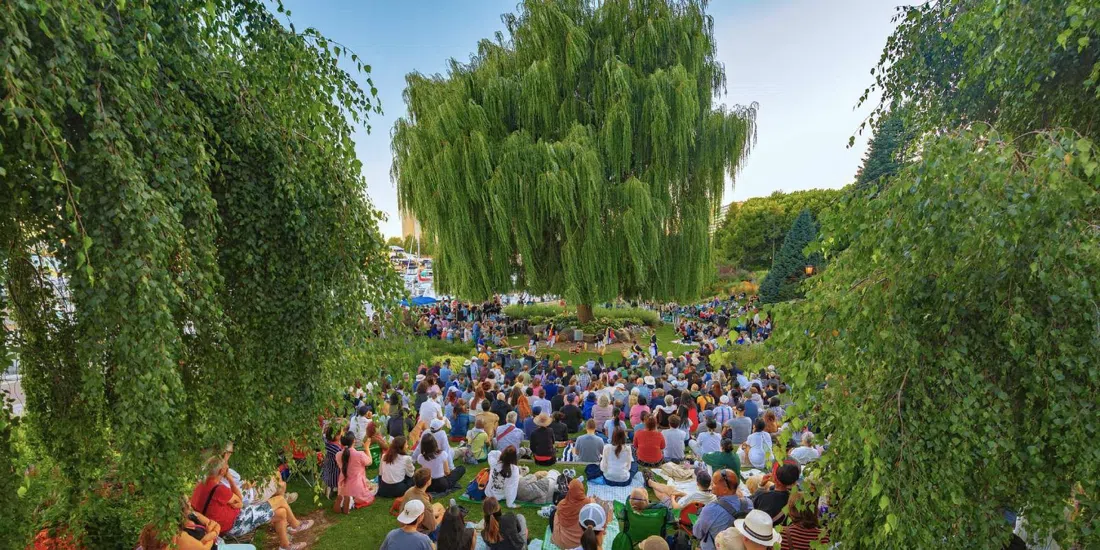
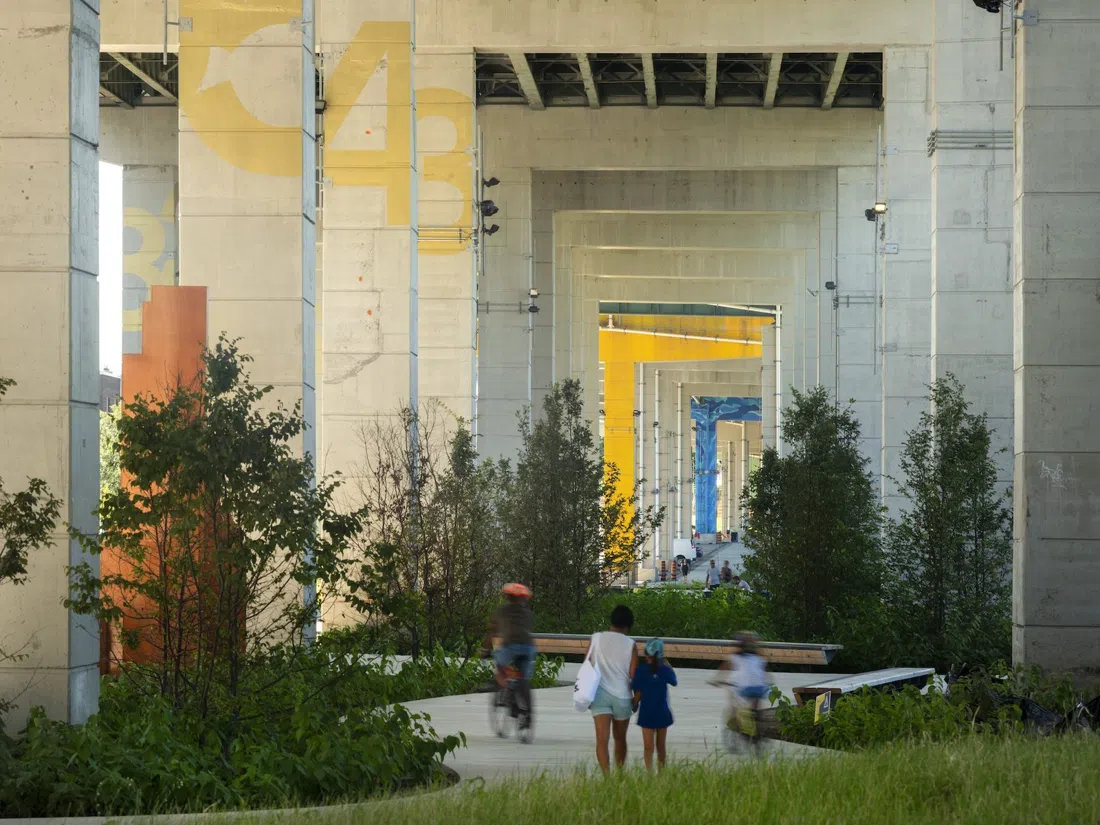
KŌST (44th floor, King West, a fifteen-minute walk northwest) is the drink-in-hand version of the same idea: a rooftop restaurant and bar open to non-residents seven days a week, cocktails around CA$20 to 25 and mains CA$30 to 50, with the Tower as the thing you are looking at rather than the thing you are standing in. The infinity pool is hotel guests only. The Bentway (under the Gardiner, Fort York, ten minutes west) is free to walk, with skate rentals from CA$18 plus tax. Roller skating ran 7 August to 27 September in 2026 and ice skating starts in late December, so check what is on before routing a group there. Twenty minutes west along the water, Toronto Music Garden (Harbourfront) is free and unticketed, with 60-minute guided tours most Wednesdays at 11:00 and a free summer concert series; the 2026 season was its 25th, 20 concerts from 21 June to 27 August, Thursdays at 19:00 and Sundays at 16:00.

For the forty minutes before a timed slot, Boxcar Social Harbourfront (Harbourfront Centre, Queens Quay West) is the serious coffee nearby: CA$4 to 7 for coffee, wine by the glass from around CA$12, and over 200 seats plus a patio, so a group walks in without a reservation outside peak brunch. Check before making a special trip, because roof work at Harbourfront Centre has closed it for short stretches, including 5 to 19 October.
Rooms with a Tower view are their own small market here, and the closer a hotel sits to the rail lands and the South Core, the more likely the Tower fills the window rather than appearing at the edge of it. Compare what faces the Tower on the Toronto hotel search before paying a view premium: a high floor pointed the wrong way costs the same as a high floor pointed at the pod.
When the cloud is down
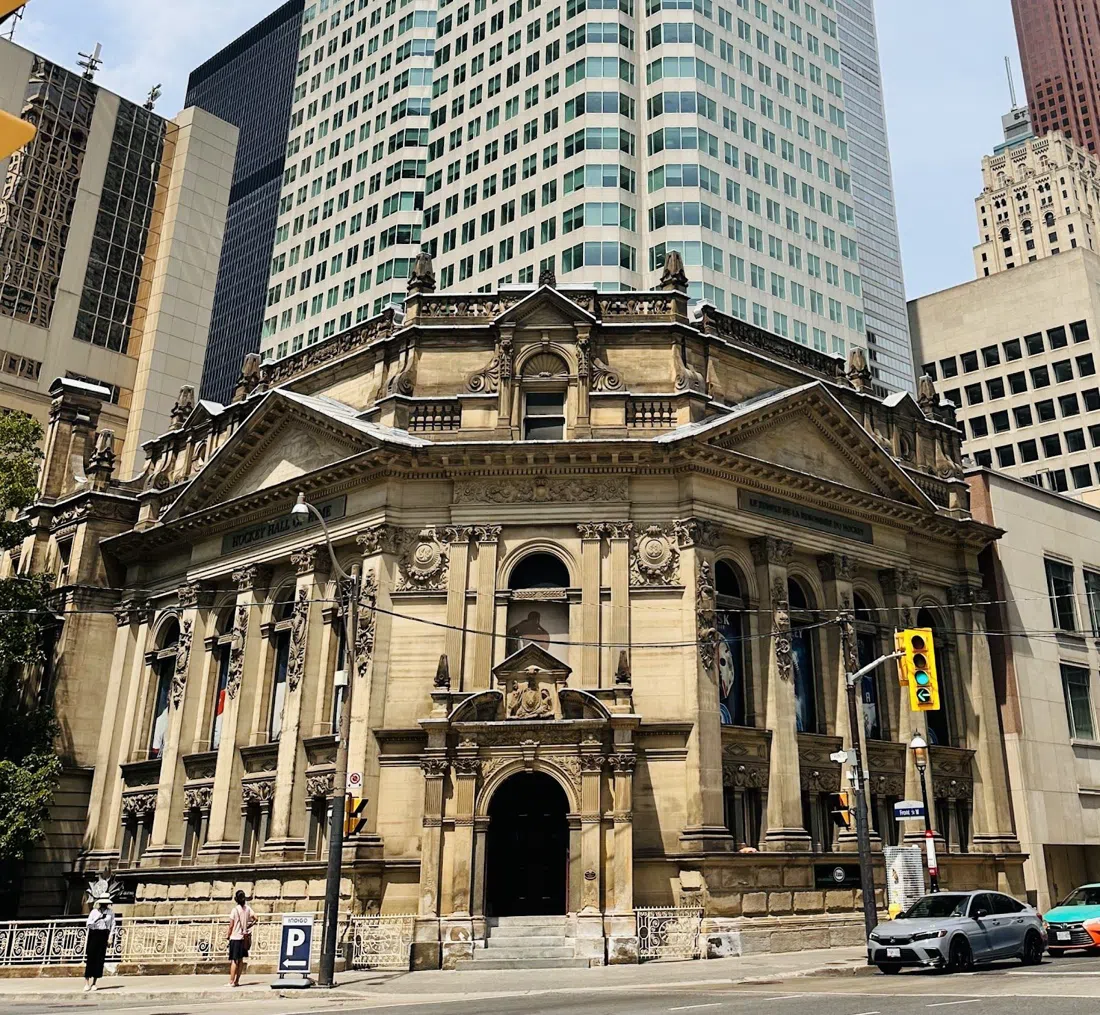
If the pod has vanished, spend the money elsewhere. Hockey Hall of Fame (Brookfield Place, Financial District, a 15-minute walk east) is CA$25 adult, CA$20 senior, CA$15 for ages four to thirteen, under-3s free, open 362 days a year from 10:00 to 17:00, and accessible throughout for wheelchairs and strollers. Pocket Planet Canada (10 Dundas Street East, Downtown Yonge, a 20-minute walk north) is the indoor miniature-world attraction formerly called Little Canada: CA$39 plus HST for adults, CA$29 senior or student, CA$24 for ages four to twelve, and about two hours across eight zones. Use the current name when you search, and note that the Yonge Street door is closed; you enter from 10 Dundas Street East and go down to level B1.

Is it worth it
Yes, once, early in a trip, on a clear day, on a CA$47 timed ticket. It orients you, the glass floor is a genuinely odd sensation, and the outdoor terrace is worth the lift ride on its own. It is not worth CA$99 of front-of-line on a grey Tuesday morning, and it is not worth doing at all if the cloud is sitting on the pod.
It suits first-time visitors, families with children old enough to care about height, and groups, because timed entry is built to absorb parties. Couples get more out of the restaurant than the deck. Anyone who wants the single most distinctive hour on this site should skip all of that and book EdgeWalk instead, in season, well ahead.
Practical notes
Getting there: Union Station is a five-minute covered walk via the SkyWalk, which matters in February and in rain. The 509 and 510 streetcars stop at the Tower on Bremner. Driving is the worst option, because the lots around the plaza fill on event days, and a ballgame at Rogers Centre or a show nearby will price and fill them together.
Money: everything here takes cards and contactless, including the ferry and the museums, so you will not need cash. Tower prices above are before tax, and Pocket Planet's is before HST. Budget CA$47 for the Tower alone, about CA$130 for two adults with a coffee and the ferry, CA$79 a head for the aquarium combination, and CA$199 plus tax for EdgeWalk.
Timing: book a slot a couple of days out for anything after 15:00, first slot of the day if you want the deck quiet, and check your date's hours for early closures. Two hours at the Tower, then fifteen minutes' walk to dinner or twelve minutes to the ferry dock, and that is a full, unhurried afternoon. For the rest of the city, including where to stay and how the downtown fits together, start with the Toronto guide.