Especial Toronto
Torres e túneis do Distrito Financeiro de Toronto em outubro
Uma caminhada arquitetônica gratuita de oito quarteirões pelas torres de bancos da Bay Street, pelos salões bancários onde às vezes é possível entrar e pelos túneis do PATH que fazem tudo funcionar na chuva de outubro.

Por Robin KellerToronto on foot, neighbourhood by neighbourhood
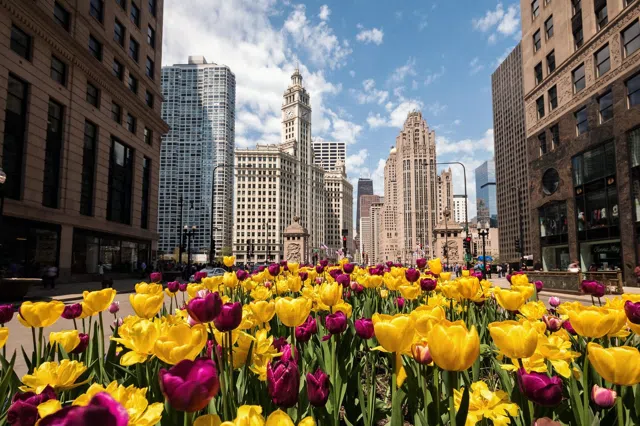
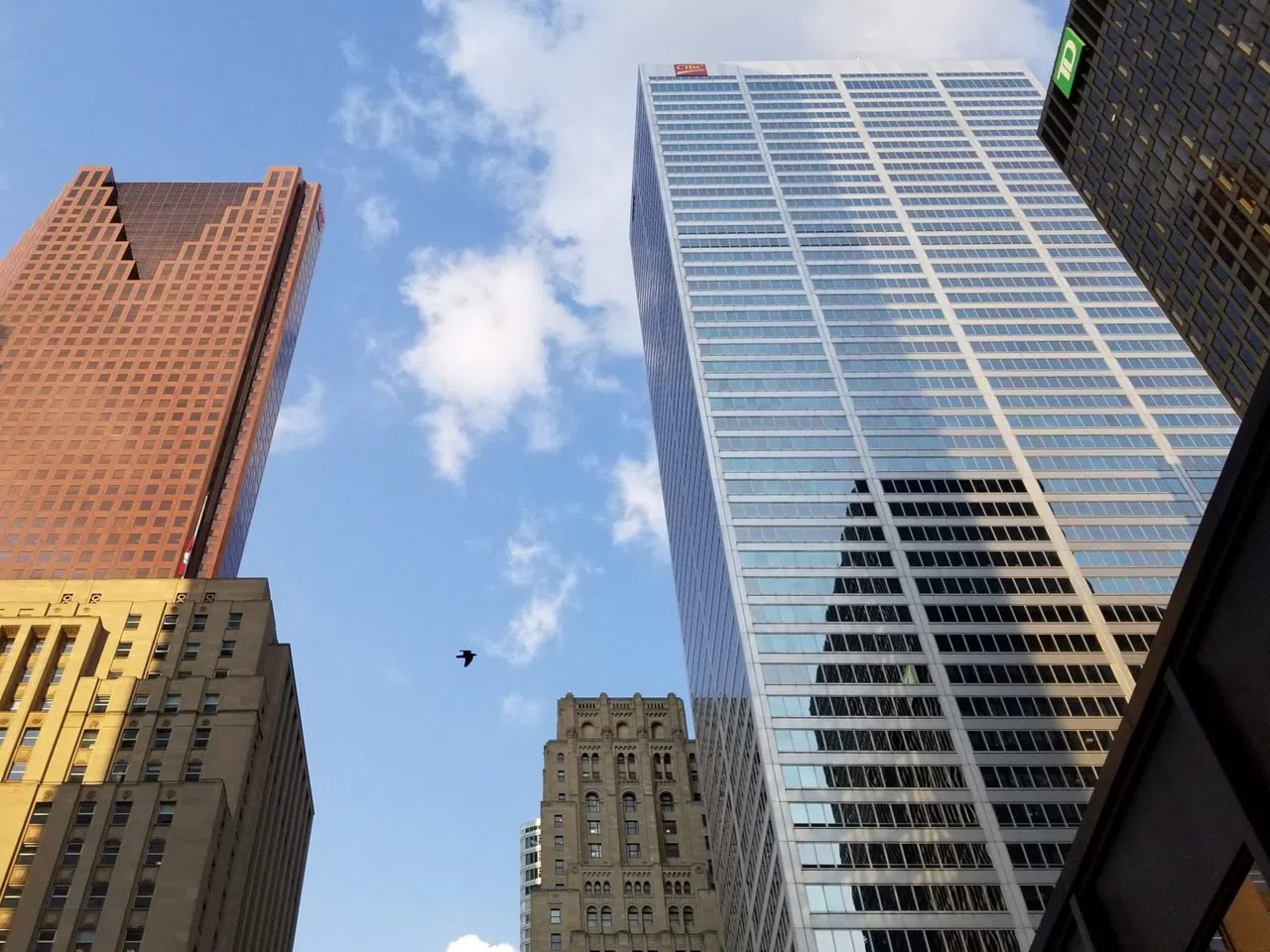
The Financial District is eight blocks that pay you back for looking up, and nearly all of it costs nothing. Between Bay and King the banks built in black steel, bronze-tinted glass and cut stone, close enough together that you can read fifty years of Canadian money from one street corner. These are working offices rather than attractions, so there is no ticket, no queue and no opening hour to organise your morning around. October changes two things. The low afternoon light does something to the glass that July does not, and when the rain comes in off the lake there is a second district running under your feet.
Eight blocks and what you are looking at
The Toronto Financial District (the downtown core, broadly Bay and King) has more free, walk-in architecture packed into a few streets than anywhere else in the city. You are looking at four bank headquarters built in sequence rather than a planned ensemble, so the interest is in the arguments between them: a 1930s limestone tower that announced the banks had arrived, the black steel grid that answered it four decades later, the gold-tinted glass across the street that answered that. It reads on foot and badly from a bus, because what matters is the scale change at pavement level, how a thirty-storey wall meets a four-metre doorway.
Figure on two to three hours of walking for the loop below, or a comfortable half day if you stop for the museum, a coffee and the market at the end. There is no door policy and no booking: these are public streets. The one practical constraint is width. The pavements on King between Yonge and University are narrow, and guided groups here are usually held to fifteen or twenty-five people for that reason. If you are walking with a party larger than that, split it.
Planeje sua viagem para Toronto
Preços em tempo real dos nossos parceiros de reserva.
Cancelamento grátis em muitos quartos. Podemos receber uma comissão quando você reserva.
Start at Union Station and give it fifteen minutes
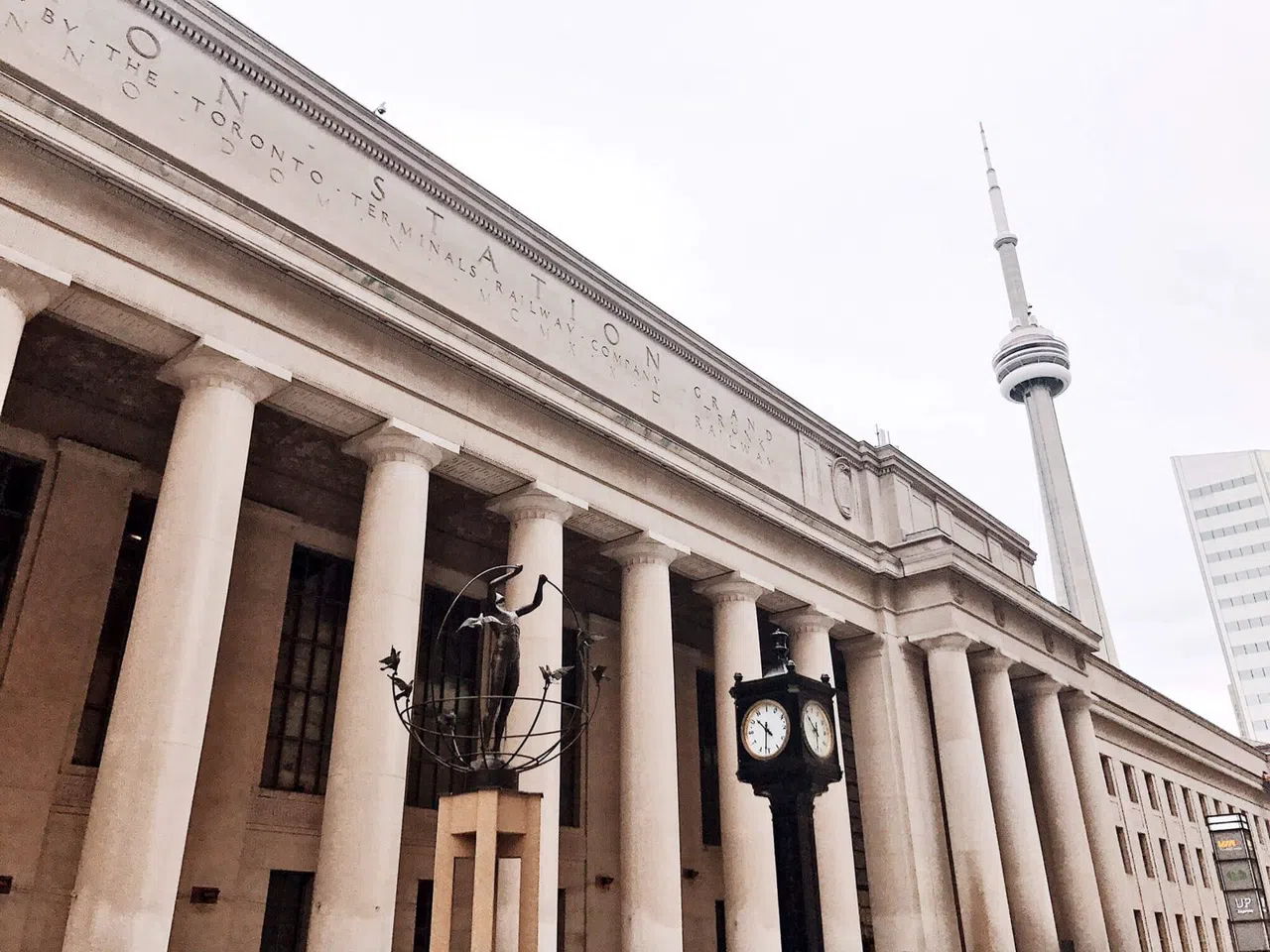
Most visitors arrive at Union Station (Front Street at Bay) whether they mean to or not. It is the subway interchange, the commuter rail hub and the end of the airport train. It is also a 1920s beaux-arts hall with a ceiling worth standing still under, and almost everyone walks straight through it. Give it a quarter of an hour. It is free and open daily from roughly 5.30am to 12.45am, the lower food hall does lunch from about C$12, and if you are meeting people, assemble at the edge of the Great Hall rather than mid-floor. Commuters move through the middle at speed and will simply go around you, loudly.
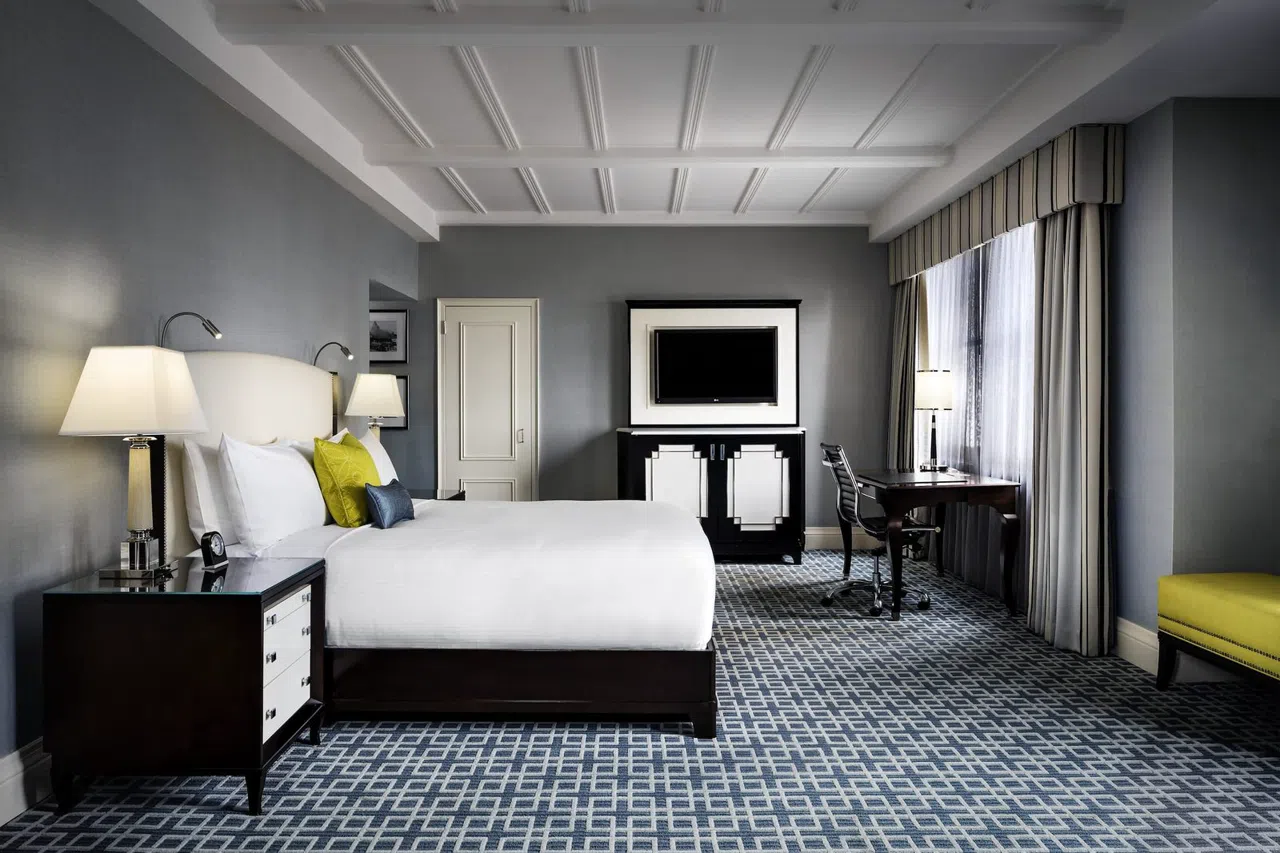
Cross Front Street to the Fairmont Royal York (Front Street, directly opposite Union) and walk through the lobby, which anyone may do. This was the railway hotel the station was built to feed in 1929, and the two make sense as a pair. The Library Bar opens daily from noon, with cocktails around C$20 to C$26, and it refreshed its menu in autumn 2026, so it is not simply trading on the panelling. Afternoon tea runs at CLOCKWORK on Saturdays and Sundays from noon to 3pm by reservation, roughly C$75 to C$95 a head; a group of any size needs to book that well ahead. On a wet October afternoon the lobby is the most comfortable shelter on the route.
North up Bay to the banking halls
Walk north on Bay. Five minutes gets you to King Street and Commerce Court North (King at Bay), which was the tallest building in the British Empire for thirty years and still has the grandest interior on this walk: a vaulted, coffered banking hall that belongs to a more confident era of cheque-writing. Treat it as a lobby you are being allowed into, not a venue. There is no ticket and nothing to book, access is weekday business hours and entirely at building security's discretion, and you should keep your group small, quiet and brief. If you are leading other people, do not promise them they will get in.
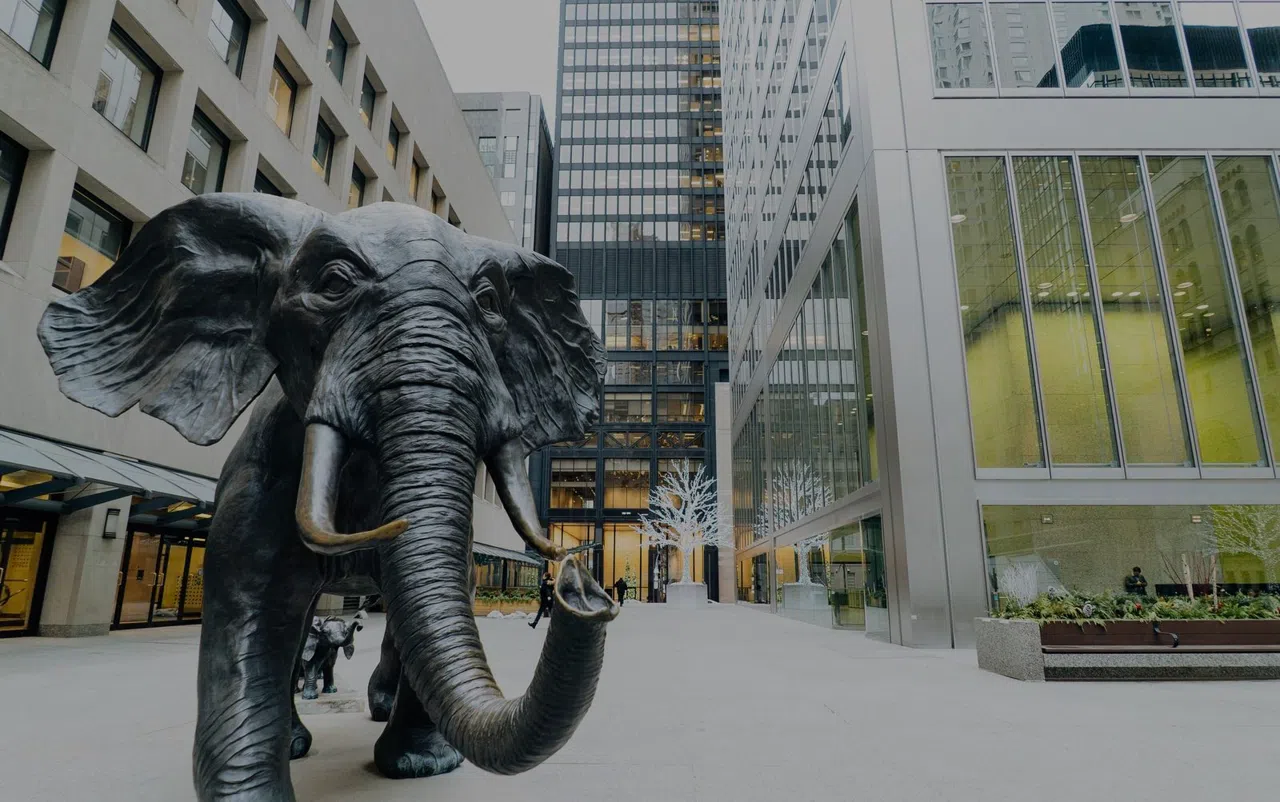
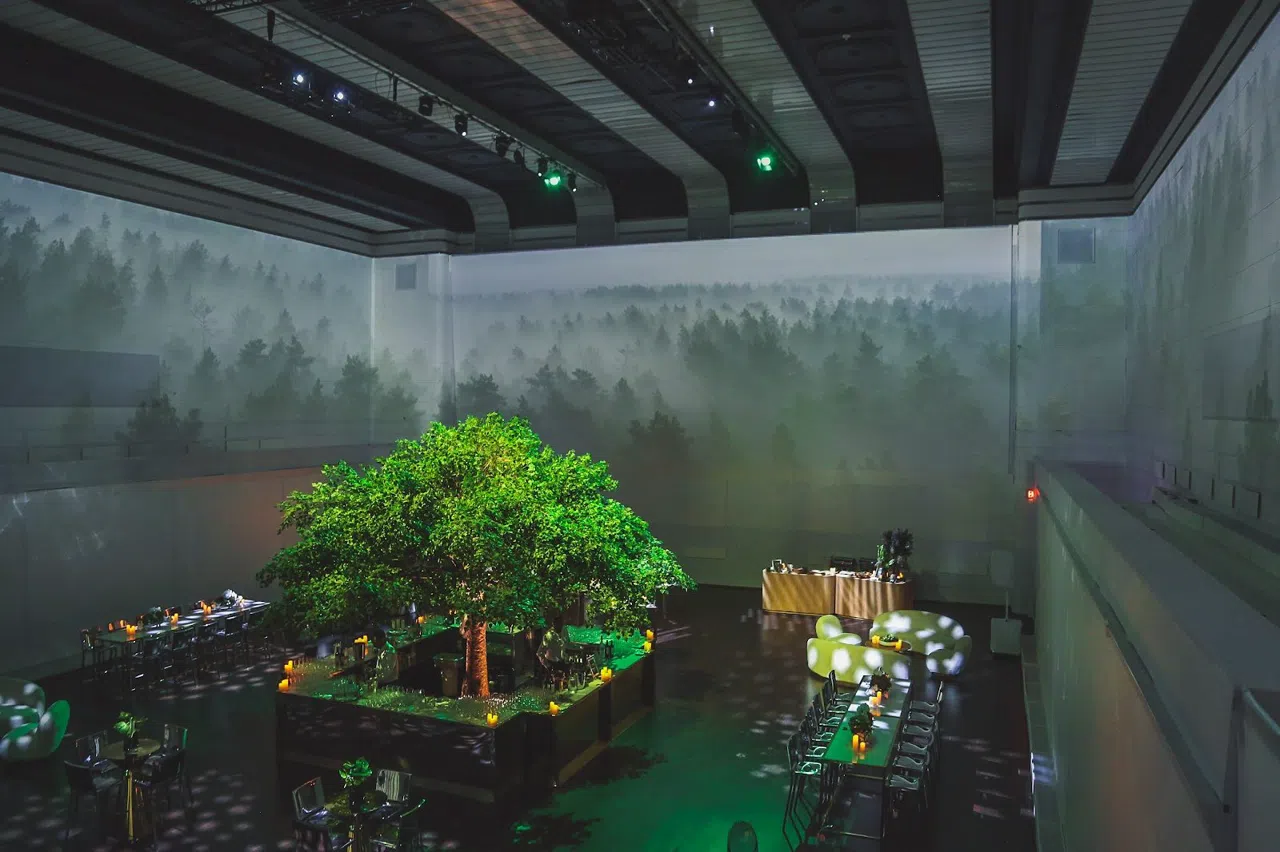
A minute away is the Design Exchange (the old Toronto Stock Exchange building, 234 Bay). The interior is now a private, bookable event space rather than a drop-in design museum, so unless an event happens to be open to you, this is an exterior stop, which is fine, because the reason to come is on the street anyway. Charles Comfort's 1937 stone frieze runs across the facade and shows a procession of top-hatted figures with a worker's pocket being picked. It is one of the few moments where the district openly mocks itself, and you can stand on the pavement and read it for nothing.
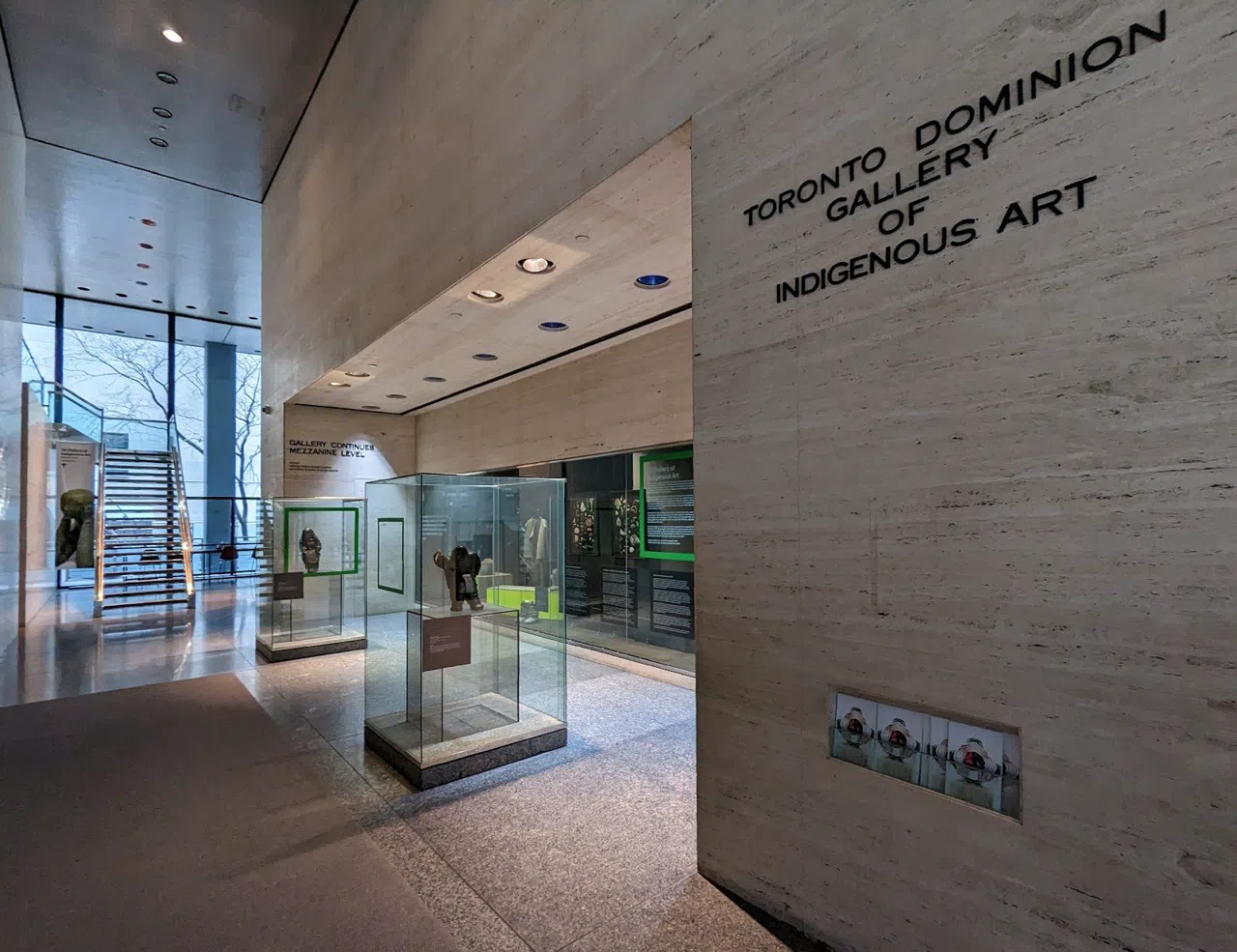
South-west, inside the black towers of the TD Centre on Wellington West, the TD Gallery of Indigenous Art is a single compact room of Arctic sculpture at a standard most paid museums would advertise. It is free, walk-in, no booking, and fifteen quiet minutes is the right length. Two caveats: it was renamed from the TD Gallery of Inuit Art, so older signage and guidebooks will not match, and the space is not fully accessible. Because the room is small, a party of more than about ten should filter in a few at a time rather than arrive as a block. It opens at weekends, which matters in a district where most things do not.
Brookfield Place, Calatrava's canopy and the Cup
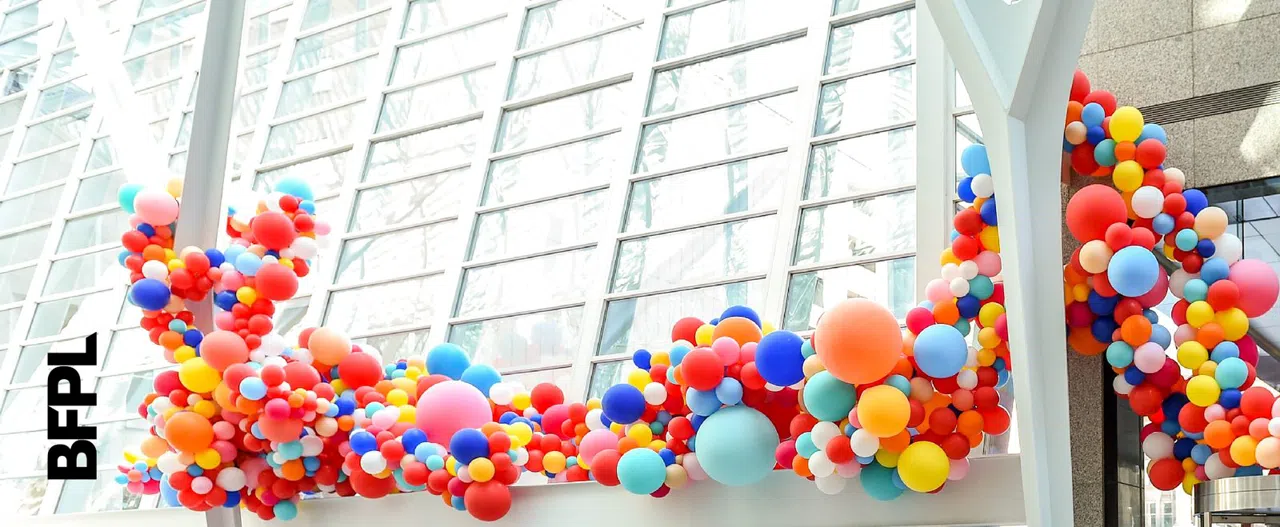
Back east to Bay and Front for Brookfield Place — Allen Lambert Galleria (Bay at Front), the white tree-like ribs that most people leave Toronto with a photograph of. Santiago Calatrava designed it as a public thoroughfare, so it is free and open seven days, and the light decides when you go: mid-morning, when the sun rakes down through the canopy, rather than at the lunchtime crush when it is a corridor of people on their phones. Building security is relaxed about photography but will ask tripods and larger tours to keep the central aisle clear, so shoot from the sides.
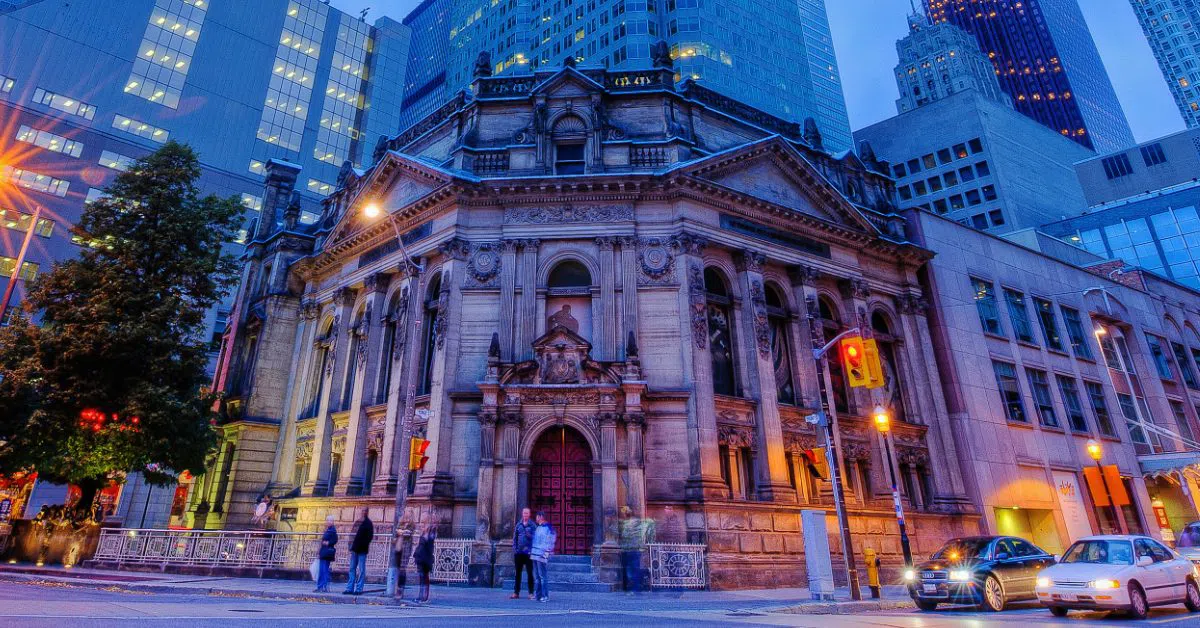
The Hockey Hall of Fame (inside Brookfield Place, Front at Yonge) is the one paid museum in the district and the one stop that earns its ticket even if you have never watched a game, purely for the vaulted former bank chamber where the Stanley Cup sits. Admission is C$29.95 adult, C$24.95 senior, C$19.95 for youth aged four to thirteen and free under three, plus tax. Groups get dedicated rates and should book in advance through the admissions office, which will also split a large party, because the Great Hall bottlenecks badly and nobody enjoys queueing inside a museum. One date to note if your trip runs late: it closes for Induction Day on 9 November 2026.
The PATH is the October answer
The PATH is thirty-odd kilometres of climate-controlled tunnel threaded under the whole district, and in October it is the reason a wet afternoon does not end your plans. It is free and open to everyone, but it is not one building: it runs through dozens of private ones, each with its own rules, signage and closing time. Walk it before 11.30am or after 2pm; in the lunchtime surge a group simply cannot hold together.
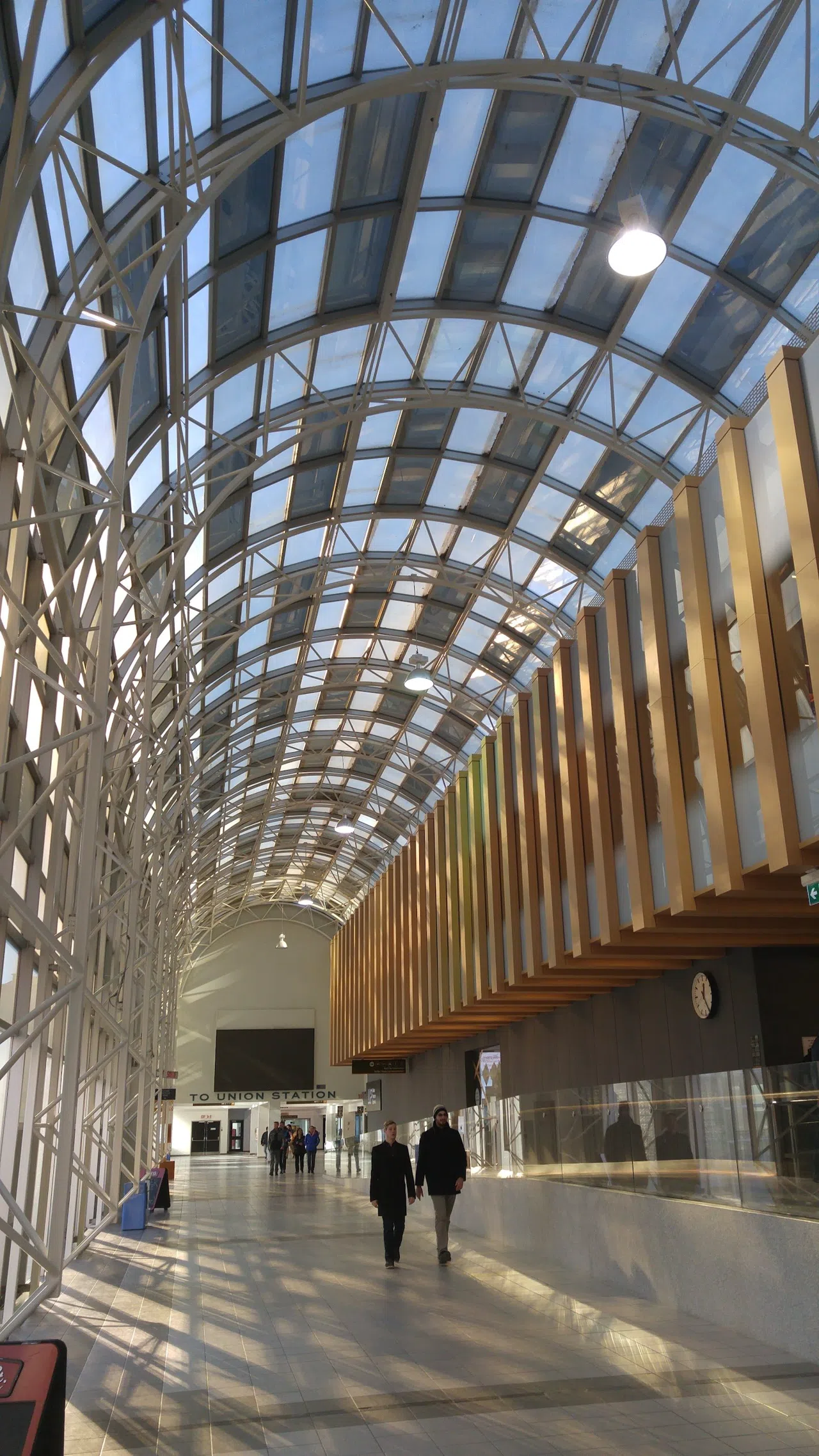
Be realistic about hours. Many office connectors shut between 6pm and 7pm on weekdays and most close on Sundays, so the PATH is a weekday asset rather than an any-time one. If you are counting on it to get from Union Station to the core without a coat, check that your leg of it is open before you commit. The retail spines stay lit long after the office links are locked.
Coffee that the office actually drinks
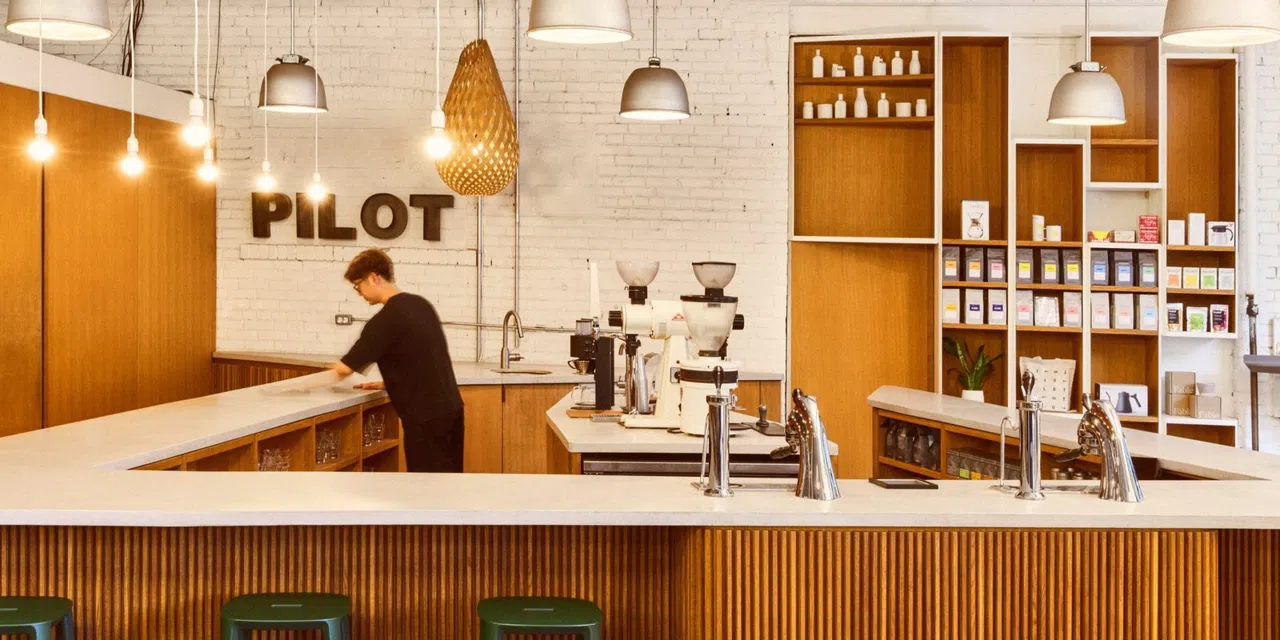
Pilot Coffee Roasters — Bay Adelaide Centre (Bay at Adelaide) is the Bay Street coffee stop rather than the tourist one. Counter service, small room, Monday to Friday 7am to 3.30pm, around C$4 to C$7. It works for two or three people and not at all for a group of fifteen, and it closes at weekends like most of the core, which tells you who lives here and who only works here.
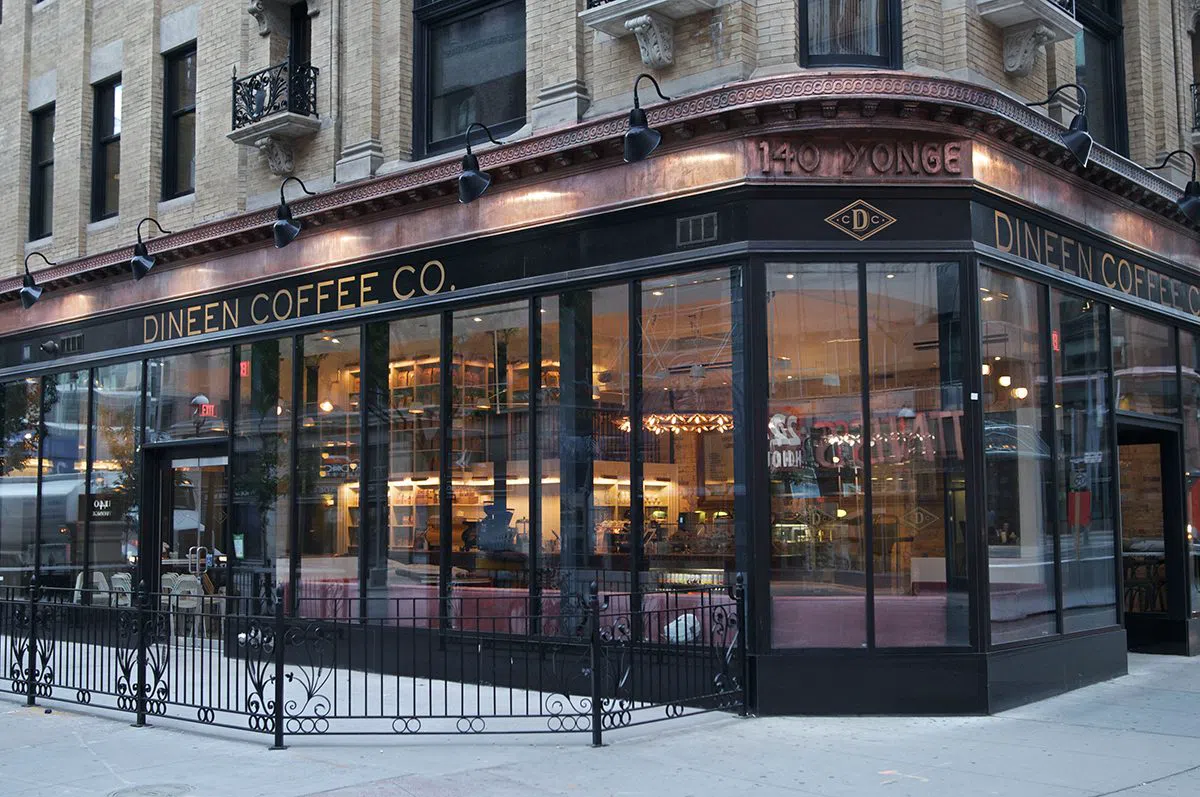
Five minutes east, Dineen Coffee Co. (140 Yonge at Temperance) is the reliable Saturday option, in a restored 1897 building with high ceilings and more room to sit. Walk-in only, no reservations, coffee about C$4 to C$7 and pastries C$5 to C$8. It is happy with a small group but fills at weekday lunch. On a weekend walk, plan your coffee here and not on Bay.
Two views, one of which comes with a bar stool
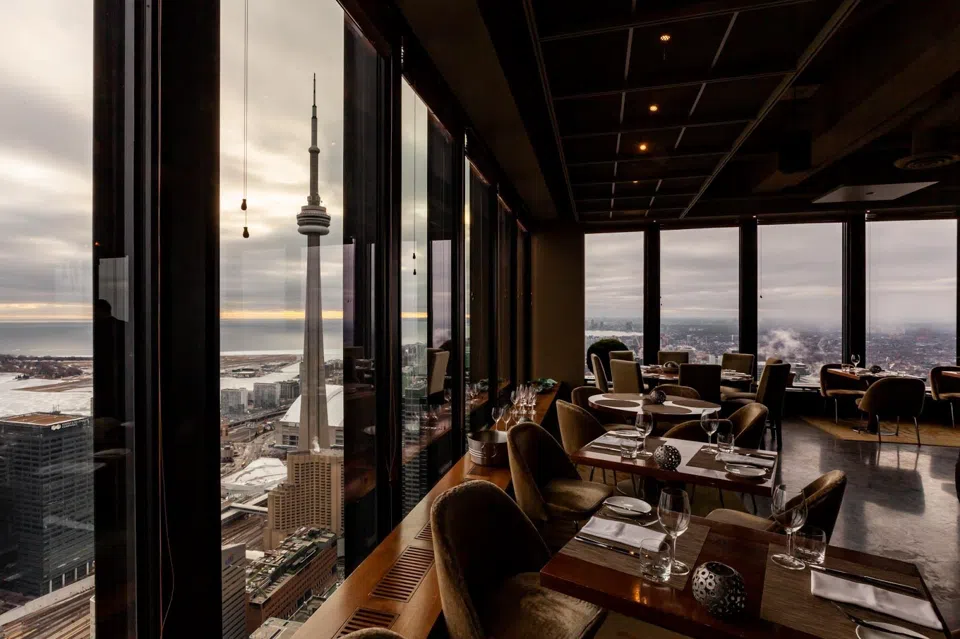
Canoe Restaurant & Bar sits on the 54th floor of the TD Bank Tower (Wellington West) and holds the best view in the district that is not a ticketed observation deck: rail corridor, lake, and the tower tops you have just walked under. Dinner is C$$$$, with mains roughly C$55 to C$75; online bookings take up to twelve guests, parties of nine to twelve go on a set Chef's Choice menu, and anything larger goes through private dining. The cheap way in is a drink at the bar, with walk-ins from 6.30pm subject to space. Check the calendar first: it is closed Saturdays and Sundays, and closed on 12 October 2026, which catches out a great many weekend visitors.
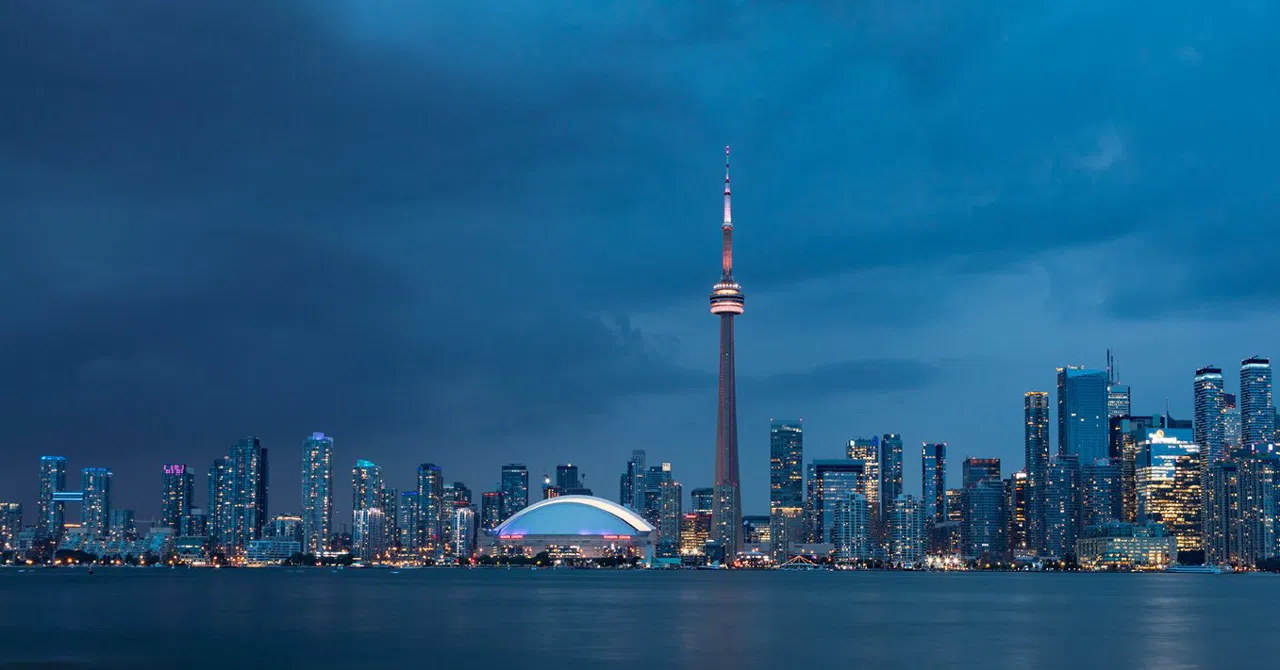
O mirante pago que a maioria das pessoas procura é a CN Tower, a dez minutos a pé a sudoeste da Union Station, aberta todos os dias das 9h30 às 23h. A entrada geral custa a partir de cerca de C$47 para adultos; o The Top (antes conhecido como SkyPod) acrescenta aproximadamente C$12 a C$20; e o EdgeWalk, que funciona em pequenos grupos de final de abril a outubro e somente quando o tempo permite, começa a partir de cerca de C$199. Reserve um horário em vez de enfrentar fila, e vá no fim do dia, e não no começo, para poder olhar para baixo e identificar as torres sob as quais esteve caminhando.
Onde a caminhada termina
The Park at CIBC Square (na Bay, logo ao sul da Front) é um parque público elevado sobre o corredor ferroviário. Ele dobrou de tamanho em 2026 e ainda é pouco conhecido dos visitantes, o que o torna o ponto de observação novo mais limpo na borda sul do distrito e o final natural de um passeio arquitetônico: você vê o skyline que acabou de atravessar, reunido, com grama sob os pés. É gratuito, e grupos informais são bem-vindos; eventos organizados precisam de autorização do edifício.
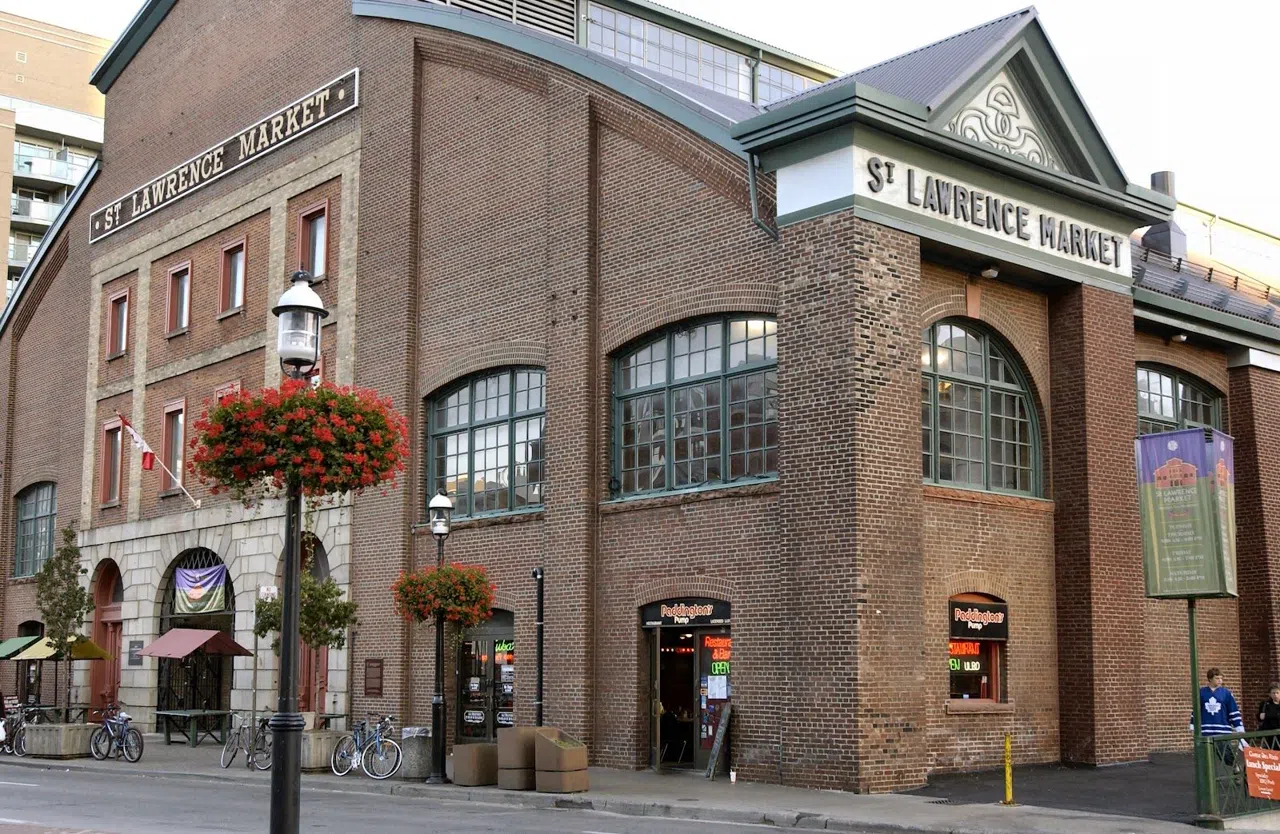
Se preferir terminar com almoço, o St. Lawrence Market fica a dez minutos a leste, pela Front Street. A entrada é gratuita, aceita grupos de qualquer tamanho, e o almoço custa cerca de C$10 a C$20. O South Market funciona de terça a domingo, e o mercado de produtores de sábado abre às 5h; os corredores ficam apertados no pico de sábado, então leve o grupo em uma manhã de dia útil ou depois das 13h. O mercado fica fechado às segundas-feiras, inclusive na segunda-feira do Dia de Ação de Graças, 12 de outubro de 2026.
Com guia ou por conta própria
O distrito pode ser percorrido sozinho e é gratuito, então o único motivo para pagar é a interpretação, e existe uma opção feita especificamente para isso. O Toronto Society of Architects — Towers Walking Tour acontece aos sábados, das 13h30 às 15h30, cerca de 120 minutos, com entrada geral de C$15 e gratuita para membros, conduzido por pessoas que projetam edifícios nesta cidade. Quem chegar sem reserva será aceito conforme a capacidade, e é necessário levar o valor exato em dinheiro; grupos maiores devem reservar em vez de aparecer sem aviso. A temporada de 2026 vai até meados de outubro, então uma visita em outubro pega apenas as últimas datas, e não um leque completo de opções. Planeje seu sábado em torno dele.
Passeios comerciais mais amplos, a pé e de bicicleta, também percorrem o distrito e funcionam sete dias por semana, a partir de cerca de 89 USD por pessoa. O sistema de reservas indica os mais populares como sujeitos a esgotar, então, se uma meia jornada guiada for o eixo da sua viagem, reserve antes de embarcar, e não na própria manhã. Ir por conta própria não custa nada e perde apenas o comentário.
Melhor época para ir
As manhãs de dias úteis são a melhor janela. Os salões bancários só são acessíveis no horário comercial, o Pilot funciona apenas em dias úteis, o PATH está totalmente conectado, e o Brookfield Place tem a melhor luz antes das 11h. Esteja na Bay Street às 9h30, faça as torres e os salões antes das 11h30 e saia dos túneis antes da onda do almoço.
O sábado é o outro bom dia, mas de outro tipo. Você tem o tour conduzido por arquitetos às 13h30, o Dineen para o café, a TD Gallery of Indigenous Art, o Brookfield Place e o mercado de produtores, mas nada de salões bancários, nem Canoe, e um PATH irregular. O domingo é o mais vazio: Union Station, Royal York, Brookfield Place, Hockey Hall of Fame e o mercado estão abertos, e a maior parte do resto não. No período específico para o qual este texto foi escrito, 12 de outubro de 2026 é a segunda-feira do Dia de Ação de Graças, com o Canoe e o St. Lawrence Market fechados.
Quanto ao tempo, outubro em Toronto oscila de quinze graus com céu limpo a cinco graus e chuva forte de lado em uma semana. Monte o percurso de modo que o PATH, a Union, o saguão do Royal York e o Brookfield Place sejam suas alternativas internas, e deixe a CN Tower flexível: em dia de nuvens baixas a vista não vale nada, e o ingresso continua custando C$47.
Vale a pena?
Vale, com uma ressalva sobre as expectativas. Não há catraca nem portão aqui. É um trecho denso e legível da cidade do século XX que, por acaso, é gratuito, e o que você tira dele depende de quanto está disposto a olhar para cima e ler uma fachada. Combina com viajantes de arquitetura e design, fotógrafos, quem tem meio dia entre um trem e o check-in no hotel, e casais que gostam de caminhar e terminar em algum lugar alto. Combina menos com famílias: o Hockey Hall of Fame carrega praticamente sozinho essa parte do dia. Grupos grandes e organizados devem esperar ser divididos nos salões bancários e na pequena galeria, e ninguém deve prometer a eles acesso aos interiores.
Se a sua viagem tem apenas meio dia no centro, esta é uma boa forma de aproveitá-lo, especialmente em dias de tempo que descartam as ilhas ou a orla do lago.
Informações práticas
Como chegar. A Union Station fica na Linha 1 do metrô e é o terminal do UP Express saindo do Pearson, a cerca de 25 minutos do aeroporto. A King Station fica no meio do distrito, e o bonde 504 circula pela própria King. Um cartão por aproximação ou um toque no Presto paga uma tarifa única da TTC; todo o percurso é plano e bem pavimentado, e você não precisará de transporte entre duas paradas aqui, exceto para a CN Tower, que ainda assim é possível percorrer a pé.
Dinheiro e cartões. Aceita-se cartão em todos os pontos deste percurso, com duas exceções para as quais vale levar notas: o tour conduzido por arquitetos pede o valor exato, e algumas bancas do mercado preferem dinheiro.
Tempo. Duas a três horas caminhando, quatro a cinco com o museu e o almoço. Manhãs de dias úteis para os interiores, sábado para o tour e o mercado, e confira o fechamento de 12 de outubro de 2026 se estiver aqui naquela semana.
Orçamento. A caminhada em si, a galeria, os salões bancários, a TD gallery, o PATH, o parque elevado e o salão do mercado são todos gratuitos. Some cerca de C$30 para o Hockey Hall of Fame, C$15 para o tour conduzido por arquitetos, cerca de C$47 ou mais para a CN Tower, e C$20 a C$26 para um coquetel em altitude. Pode-se chamar de dia gratuito, ou cerca de C$95 com tudo incluído.
Onde ficar. Dormir no distrito garante os fins de semana mais tranquilos do centro da cidade e uma caminhada de dois minutos até a Union, ao custo de um núcleo que se esvazia depois das 19h. Compare tarifas e localizações na busca de hotéis em Toronto e leia o restante da cidade no nosso guia de Toronto.
Antes de ir
O Distrito Financeiro de Toronto vale a visita se eu não tenho interesse em bancos?
Sim, porque você vai pela arquitetura e não pelo setor financeiro. Oito quarteirões em torno da Bay e da King reúnem uma sequência densa de edifícios modernos gratuitos e de entrada livre, além de dois interiores gratuitos (a Allen Lambert Galleria no Brookfield Place e o salão bancário do Commerce Court North) e um museu pago, o Hockey Hall of Fame. Se você não gosta de olhar para edifícios, pule este; nada mais aqui vai sustentar a tarde.
Quanto tempo leva uma caminhada pelo Distrito Financeiro?
Duas a três horas em ritmo constante para as torres, a galeria e os salões bancários, ou quatro a cinco horas se você incluir o Hockey Hall of Fame e o almoço no St. Lawrence Market, a dez minutos a leste. O Towers Walking Tour da Toronto Society of Architects, conduzido por arquitetos, dura cerca de 120 minutos aos sábados a partir das 13h30 e cobre apenas o núcleo central.
Dá para entrar nas torres dos bancos?
Alguns deles, e apenas algumas vezes. A galeria do Brookfield Place é uma via pública, aberta sete dias por semana e gratuita. A TD Gallery of Indigenous Art tem entrada gratuita sem reserva e abre nos fins de semana. O salão bancário do Commerce Court North é o saguão de um escritório em funcionamento: funciona no horário comercial dos dias úteis, não é preciso ingresso, e a entrada fica totalmente a critério da segurança, então mantenha seu grupo pequeno e não conte com isso. O antigo prédio da Bolsa de Valores de Toronto hoje é um espaço privado para eventos, então você vê o friso da fachada da calçada.
O PATH funciona nos fins de semana e à noite?
Em parte, e isso pega muita gente de surpresa. O PATH é gratuito e tem cerca de trinta quilômetros de extensão sob o distrito, mas passa por dezenas de edifícios privados, cada um com seu próprio horário. Muitas conexões de escritórios fecham entre 18h e 19h nos dias úteis, e a maioria fecha aos domingos. Considere-o uma rota para dias de chuva, em dias úteis, e percorra-o antes das 11h30 ou depois das 14h para evitar a multidão do almoço.
O que está aberto no Dia de Ação de Graças, segunda-feira, 12 de outubro de 2026?
Union Station, o saguão do Fairmont Royal York, o Brookfield Place e o Park at CIBC Square estão todos abertos e são gratuitos. O Canoe estará fechado em 12 de outubro de 2026, e o St. Lawrence Market fecha nessa segunda-feira, como fecha todas as segundas-feiras. O Pilot Coffee, no Bay Adelaide Centre, funciona apenas em dias úteis, então vá ao Dineen, na Yonge 140, para tomar um café.